
Why I write mysteries
I write mysteries because I love mysteries!

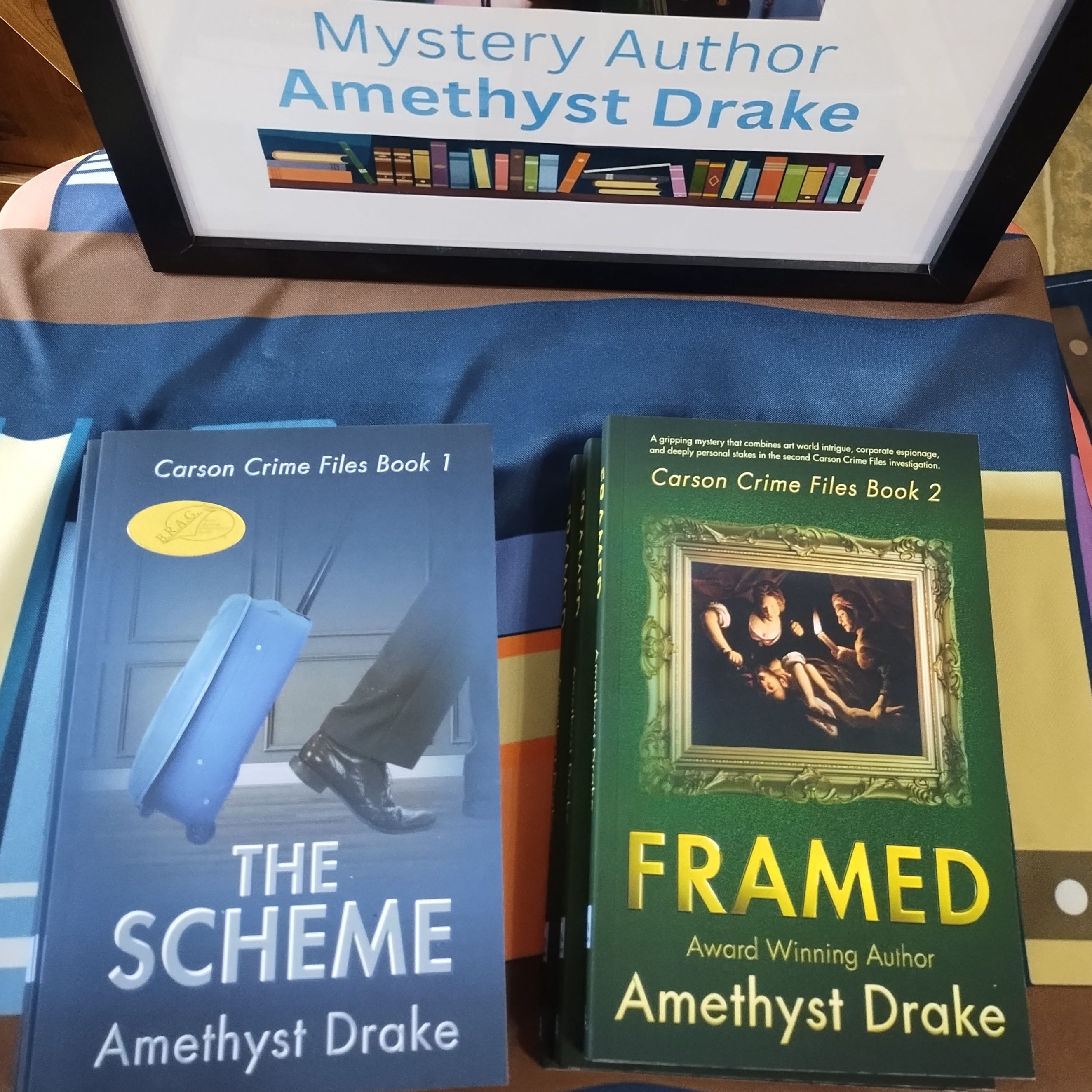
I write mysteries because I love mysteries! I've always enjoyed reading mysteries and watching TV crime drama. Now as a writer, I love the thrill of crafting intricate puzzles that keep readers guessing. I also love exploring the complex motivations and interactions of the characters. The genre is a balance between engaging the reader and keeping them on their toes. It’s a challenge to weave a logical yet unpredictable plot, but it's incredibly rewarding when everything comes together, creating that "aha" moment that mystery lovers crave.
Writing in the mystery genre is a fun adventure. The challenges and rewards of this genre create an interesting balance. By understanding these elements, we can see why so many people love to write mysteries.
One of the best things about writing mysteries is crafting intricate plots and clever clues. Telling the story is only part of the job. Each word is a building block, carefully placed to engage minds and misdirect attention. Mystery readers want to become sleuths, piecing together the puzzle along with the characters. It's very rewarding to craft a puzzle that challenges and hooks readers. But the same complexity that makes mysteries engaging can also be overwhelming. Crafting a tight, logical plot requires a lot of time and mental energy. Finding the balance between clues, consistency, and red herrings can be taxing. Every small detail needs to fit together to maintain the story's integrity, which can be a significant time investment. This is even more true when writing a series.
Another great thing about writing mysteries is exploring complex characters. An investigation often reveals hidden motives and conflict. Characters play a key role in the mystery, and their personal struggles and secrets add depth to the story. Mysteries thrive on the element of surprise. The genre lets you create twists that redefine the story and shock your readers. These surprises aren't just plot devices—they're woven into the fabric of the story, creating aha moments that (hopefully) connect with readers.
Despite its many advantages, the mystery genre does come with some risks. If not handled carefully, mysteries can become formulaic and predictable, leading to disengaged readers. The challenge lies in avoiding clichés and stereotypes. It's a struggle to find the balance between including the tropes we love and making the story fresh and original.
One of the best rewards of writing mysteries is the passionate and loyal readership that the genre attracts. Mystery fans love new challenges and complex stories. Readers' anticipation and engagement can be a strong motivator. It makes the writing process more fulfilling. But this devotion comes with a set of expectations. Mystery readers often look for certain tropes and formulas, which can sometimes restrict creativity. Readers expect a coherent and satisfying conclusion where every plot thread is tied up neatly. These expectations can be very stressful, especially with complex plots and many characters. Writing an ending that is both surprising and logical is hard. It requires a careful balance and great attention to detail.
Writing mysteries is an incredibly rewarding challenge. It involves a delicate dance between engaging readers and surprising them. A mystery author must balance complex plots, twists, and deep characters. They must meet genre expectations and avoid predictability. The challenges of writing in the mystery genre are also the parts that make the genre fun. And while writers want to satisfy their audience, for many, writing mysteries is also personally fulfilling.
Happy reading!
Amethyst Drake