
Research Rabbit Holes: How 2009 Technology Research Nearly Derailed My Book

I spent three hours researching the exact model of BlackBerry that would have been popular in Baltimore in 2009. Three. Hours.
At some point during this deep dive into mobile phones, I realized I'd lost sight of why I was researching in the first place. The scene I was writing involved Katherine Carson receiving a text message. That's it. A simple text that moves the plot forward. But somehow I'd convinced myself that the entire credibility of Framed hinged on getting the phone model right.
Welcome to the research rabbit hole. Every historical fiction writer's simultaneous best friend and worst enemy.
When 2009 Feels Like Ancient History
Setting my Carson Crime Files Series in 2009 seemed straightforward at first. After all, I lived through 2009. I remember what it was like. How hard could it be to recreate a world from just seventeen years ago?
Turns out, incredibly hard.
The problem isn't that 2009 was so long ago. It's that technology has changed so rapidly that what felt normal then now feels like ancient artifacts. I found myself second-guessing every tech reference, wondering if I was misremembering how things actually worked.
Take social media. In 2009, Facebook was still relatively new to many people, MySpace was hanging on, and Twitter was just gaining momentum. But how did people actually use these platforms? What did the interfaces look like? When Katherine's team needs to investigate someone's online presence, what would they realistically find?
I spent an entire afternoon watching archived YouTube videos showing Facebook's 2009 layout, taking screenshots like I was documenting a lost civilization.
The BlackBerry Spiral
The BlackBerry research illustrates how good intentions can derail productivity. It started innocently. I wanted Katherine to receive an urgent message while investigating. Simple enough. Then the questions began:
Would a private detective carry a BlackBerry or a regular cell phone? Which models were available in Baltimore in 2009? How did texting work differently then? Did people use abbreviations the same way? What about email on mobile devices?
Before I knew it, I was deep in forums discussing BlackBerry features, reading tech reviews from 2009, and watching unboxing videos of phones that are now museum pieces. I learned more about early smartphone keyboards than any mystery writer should ever need to know.
The scene still just involved Katherine getting a text message.
When Research Becomes Procrastination
Here's the uncomfortable truth: sometimes research becomes a sophisticated form of procrastination. It feels productive because you're learning, but you're not actually writing. And there's always one more detail to verify, one more source to check, one more rabbit hole to explore.
I realized I'd crossed the line when I started researching the specific models of security cameras that Baltimore art galleries would have used in 2009. The cameras weren't even important to the plot. But I'd convinced myself that authenticity required knowing whether they recorded to VHS tapes or digital storage.
(For the record, it was probably digital by then, but the transition was ongoing. See? I'm still doing it.)
Finding the Balance
The key to managing research is remembering that perfect accuracy isn't the goal. Believable accuracy is. Your readers want to be immersed in the world you're creating, not impressed by your Wikipedia skills.
Here's what I've learned about when to research and when to write:
Research first for big-picture elements. I needed to understand the general technology landscape of 2009 before writing scenes that depended on it. But I didn't need to know every technical specification.
Write first, fact-check later. If I'm in the middle of a scene and need to know something specific, I often write "[RESEARCH: what kind of car would detective drive in 2009]" and keep going. The momentum of writing is too valuable to sacrifice for minor details.
Set research boundaries. I give myself permission to spend a reasonable amount of time researching specific questions—usually no more than an hour unless it's crucial to the plot. After that, I make my best educated guess and move on.
Remember your expertise. I lived through 2009. My instincts about how people behaved and what felt normal are probably more valuable than any amount of technical research.
Practical Rabbit Hole Management
Now if I find myself more than three clicks deep into research that started with a simple question, I stop. I bookmark the page, make a note, and return to writing.
I also remind myself that readers care more about compelling characters and engaging plots than about whether Katherine's phone had a physical keyboard or a touchscreen. If the story works, small anachronisms won't matter. (Right?)
My goal isn't to recreate 2009 perfectly. It's to create a believable world where Katherine Carson's story can unfold naturally. Sometimes that means accepting that some details will be approximations, and that's okay.
After all, I'm writing fiction, not a historical documentary. The BlackBerry can just be a BlackBerry.
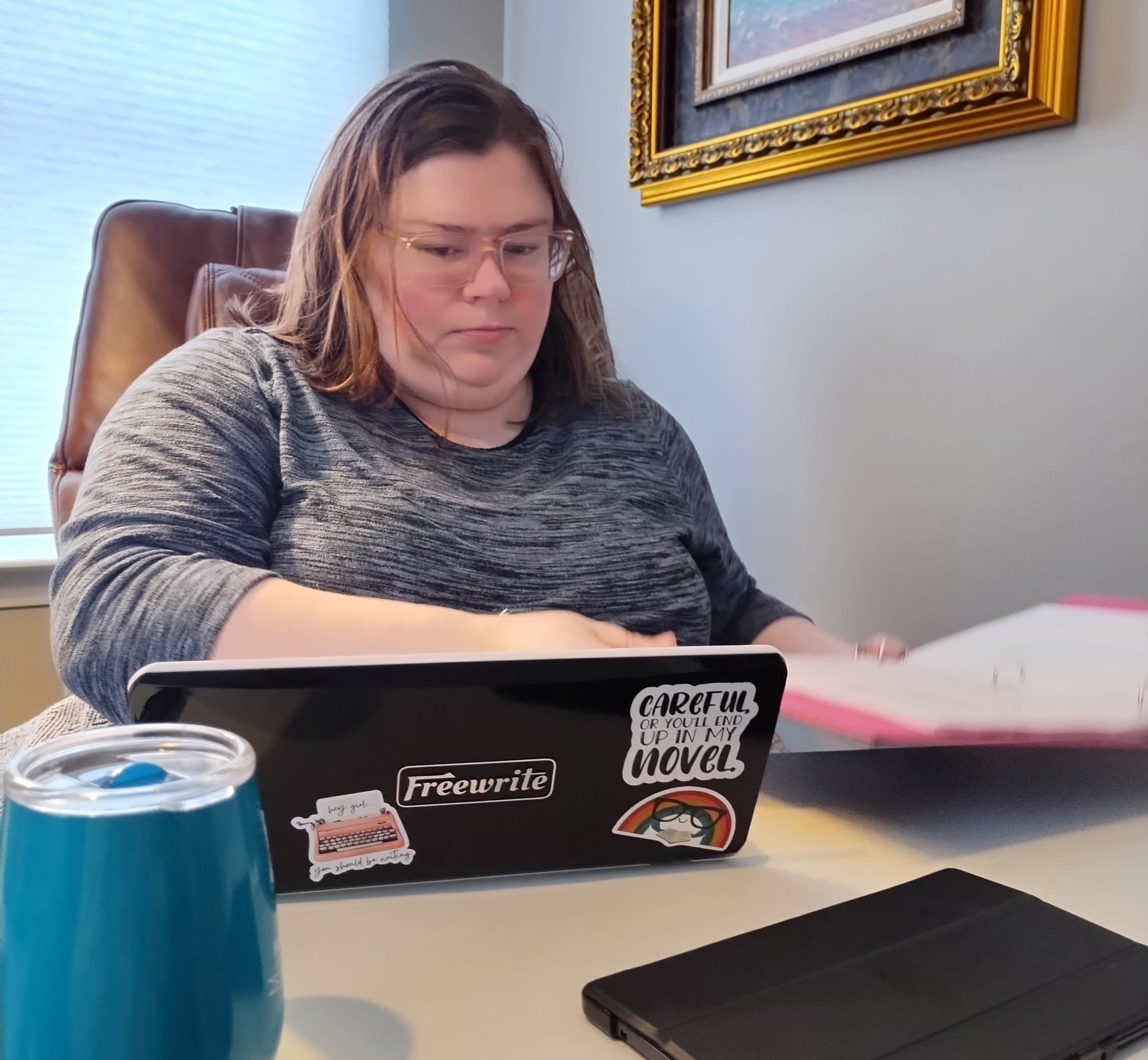
I do that, too [RESEARCH: “this that and the other”] and keep on writing. Great tactic.